Design Journal13/03/20

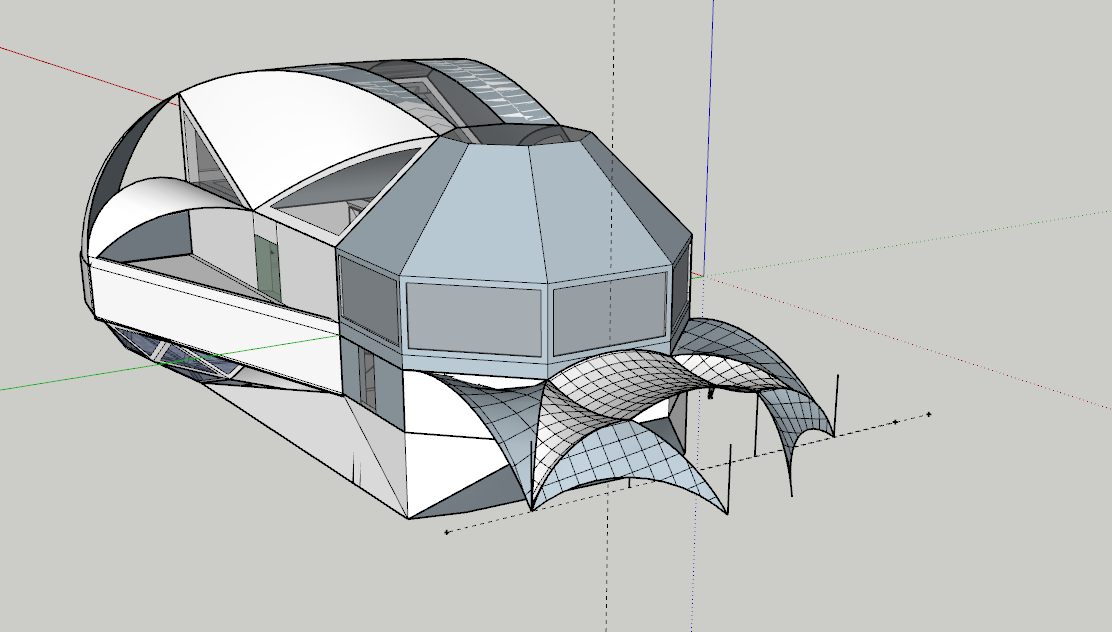
The 3D model is almost complete textures and materiality still remain, along with the sloping of the gorund as well as the completeion of online activites regarding the model (including adding the custom textures), depending on time constraints I will endevour to reder this in Lumion. 

Work proceded on the model as external components were brought in to imply usage for the spaces on the floor above. 
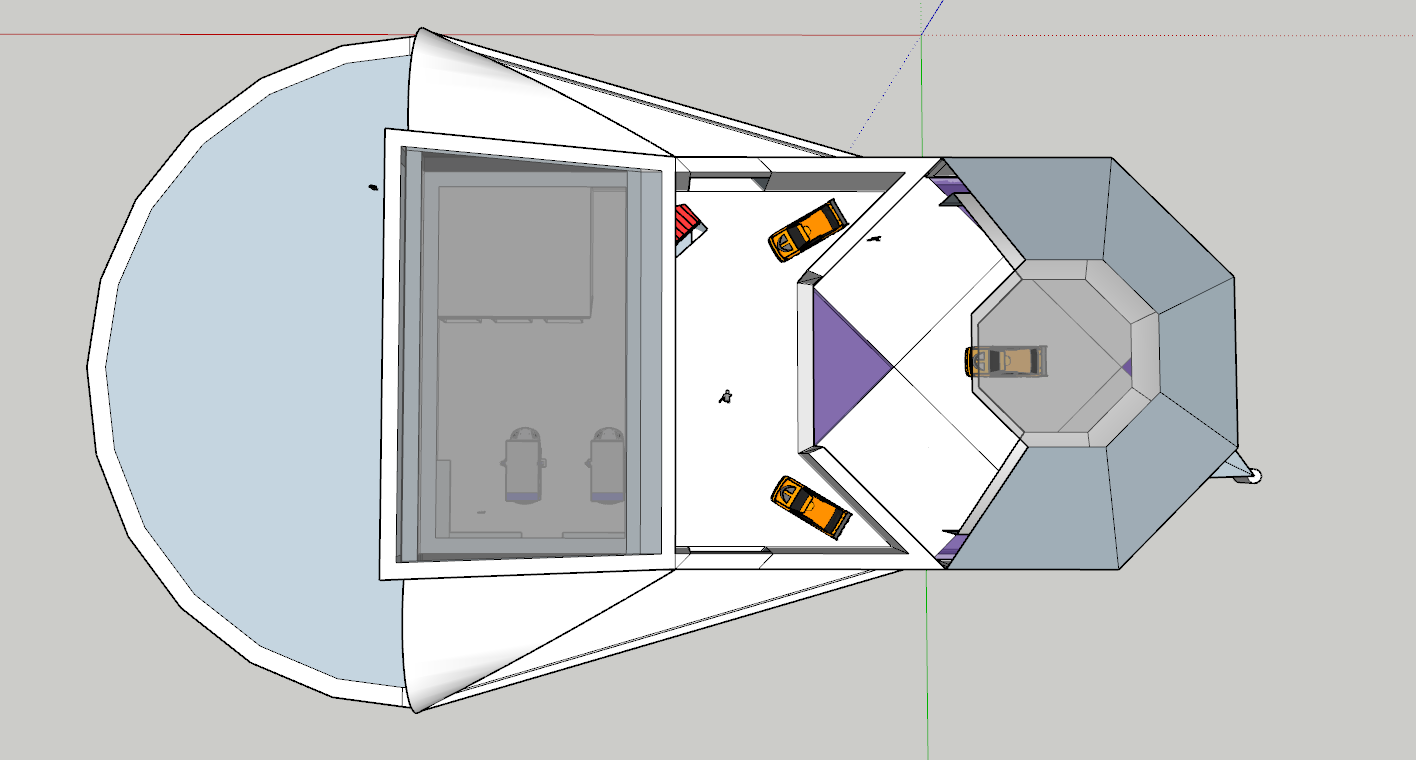
These componets were veichles and car lifts imported from Sketch Up's native 3d warehouse, and are credited in the photos below.


Stairs from the first submission were brought in and integrated, to help define access to the above and below levels.


The Monolithic cieling of the vestibule was given character with intircate roof art to create textures and depth.


A ramp up to the Kyza was installed in the centre of the gallery, whilst the stairs remian ofsset to the left, a sort of symbol prioritizing the access of cars to the first floor rather than that of people. Aadditionial elements were also added to the gallery to imply use, these include a reception, guiding walls for padestrian traffic and turntables to display cars.

Walls were added to the bottom floors to seperate the workshop rooms for Jansen.
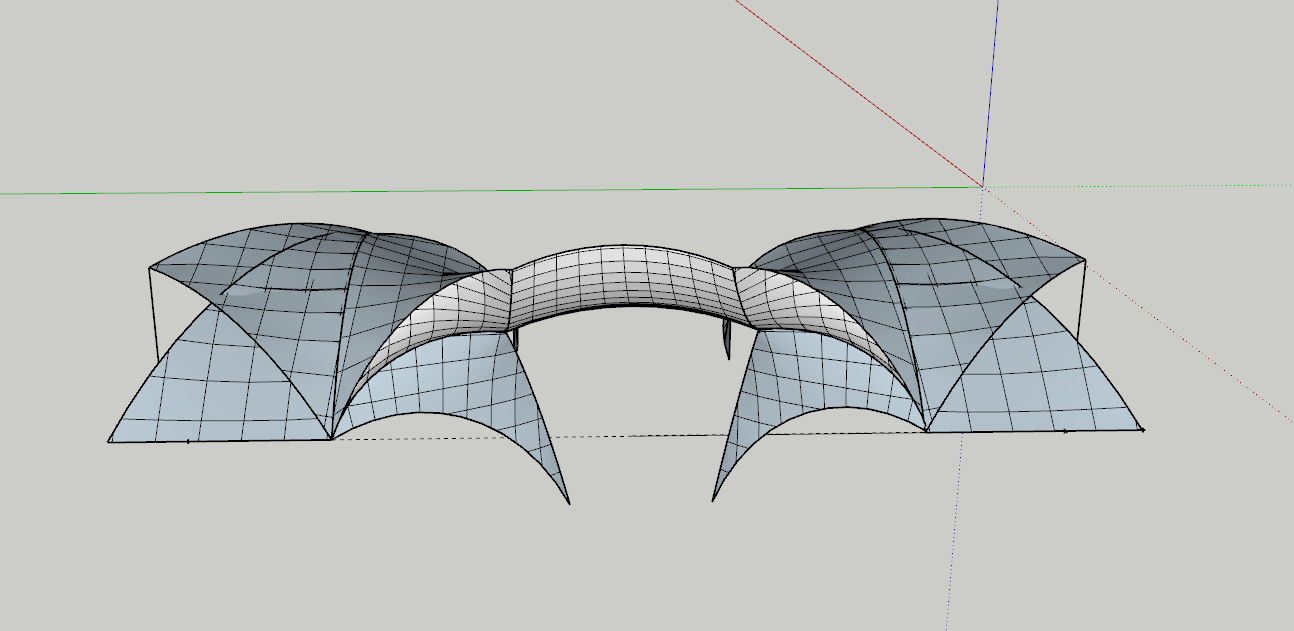
A sort of parasol canopy was added to the front facade to soften the harsh geometry of the hexagonal studio dome. 


However the thinly aligned edges of the canopy futher grought out the trapezoidal galley space making the buliding look awakward from approach. Hence tit was extended to mask the extension of the gallery thereby enrich the viewers experince of the architecture as they entered the building and emphising the wide panoramic veiws offered at the gallery's end.


Comments

Popular posts from this blog

Evidence of Submission

https://3dwarehouse.sketchup.com/embed/4ae9704e-23b1-47bd-8738-1d44680d980d Note: The originial size of my Sketch-Up file was 100MB which exceeded the 45MB allowable upload limit for 3D Warehouse. However when made to upload the file, Sketch Up automatically adjuested the file size to within the requirements, I am unware of the process by which this was done and so can not attest for the quality of the final model in relation to the model which is visible infront of me the author. To download the original model please click the google drive link below, taking care to download both the .skp and .skb files before opening. https://drive.google.com/open?id=1yvdMAz2PMUxV0mcoWn6G9GlERUjdHA70

Cardboard Model Making

This blog post details my procedure for making an archtiectual model of my room thorugh snapshots of the desgin process. This model is made cardboard on a 1: 20 scale. The model itself was initially glued together but due to the thick corrugation the glue started to seep in and lose strength, as a result tape was added for extra reinforcement.

History 2: Essay Reformatted for Web

My first formal submission for architectural history 2 required three informal essays or 'academic articles' which required explaining the architectural significance of three otherwise normal words. My assignment is presented as submitted, however, much of the presentation has been lost due to the blogger conversion, regardless I hope that you give it a read and that it abides by its praise of intellectual stimulation and overcomes the rather valid critiques of convolution. Enjoy! High Tech High-tech’ emerged as one of the “several persuasions”  of modernism which aimed to reinvigorate its ideals through a proper engagement with the “mind of technology” . A fusion of engineering and architecture, the movement captured the zeitgeist of 1960’s ‘Technological Utopianism’ and envisaged mechanised, adaptive environments. Initially derived as an experimental fusion of Archigram’s science fiction, Buckminster Fuller’s ‘Superstructure’ and Joesph Paxton’s ‘Crystal Place’, it went on to...